


13 Simple Ways To Reduce Your Waste At Home
By
8 hours ago
Commit to a few small but impactful changes this International Day of Zero Waste
Limiting the amount of waste we produce is crucial to living a more balanced and sustainable life. While cutting food, household and other kinds of waste entirely is virtually impossible, International Day of Zero Waste (30 March) encourages everyone to consider the small ways in which we can make a difference.
What is International Day of Zero Waste?
Observed annually on 30 March, International Day of Zero Waste is a UN initiative bringing attention to the amount of unnecessary waste we produce and its effects on the environment. The UN Environment Programme estimates that the waste sector is responsible for about 20 percent of human-driven methane emissions, contributing significantly to climate change.
This year’s theme is food waste. The widespread mindset that binned food will simply decompose with no environmental impact has led to about one billion tonnes of it being thrown away every year – almost a fifth of all food available to consumers globally. By buying more than we need, we waste valuable resources like water, seed and animal feed that go into producing our food. This increases greenhouse gas emissions, which are detrimental to the environment.
If you want to help make a difference, here are 13 small changes you can make to reduce your waste – from item swaps and meal hacks to upcycling old items.

Credit: Getty
13 Simple Ways To Reduce Your Waste
Give Wonky Produce A Go
A 2018 study found that a whopping one-third of fruit and veg was thrown away before it even reached supermarket shelves due to cosmetic imperfections. Oddbox rescues this discarded produce and delivers it to your door, while Wonky does the same with coffee and chocolate. There’s no difference in taste – and it often works out cheaper.
Reuse And Get Rewarded
On the subject of coffee, many chains have introduced rewards or discounts if you bring a reusable mug. Caffe Nero and Costa give an extra loyalty stamp; Pret, M&S and Black Sheep knock money off your order; and Starbucks charges extra for disposable cups. An easy way to tackle plastic pollution while saving money.
Try Out Clothing Rentals
If you find your wardrobe overflowing with outfits for special occasions, consider renting them instead. Platforms like By Rotation and London-based Borrowed From allow members to borrow clothing items for a set time – perfect for weddings, gala dinners or birthday parties. Plus, no need to stress about dry cleaning as it’s all taken care of by the renting service.
Get To Your Supermarket On Foot
Walking or cycling to the shops has more advantages than getting some exercise in: it will push you to further consider what you buy. Is that XXL jar of pickles really worth it if you have to carry it home? This will help cut down on unnecessary purchases and in turn, limit your food waste.
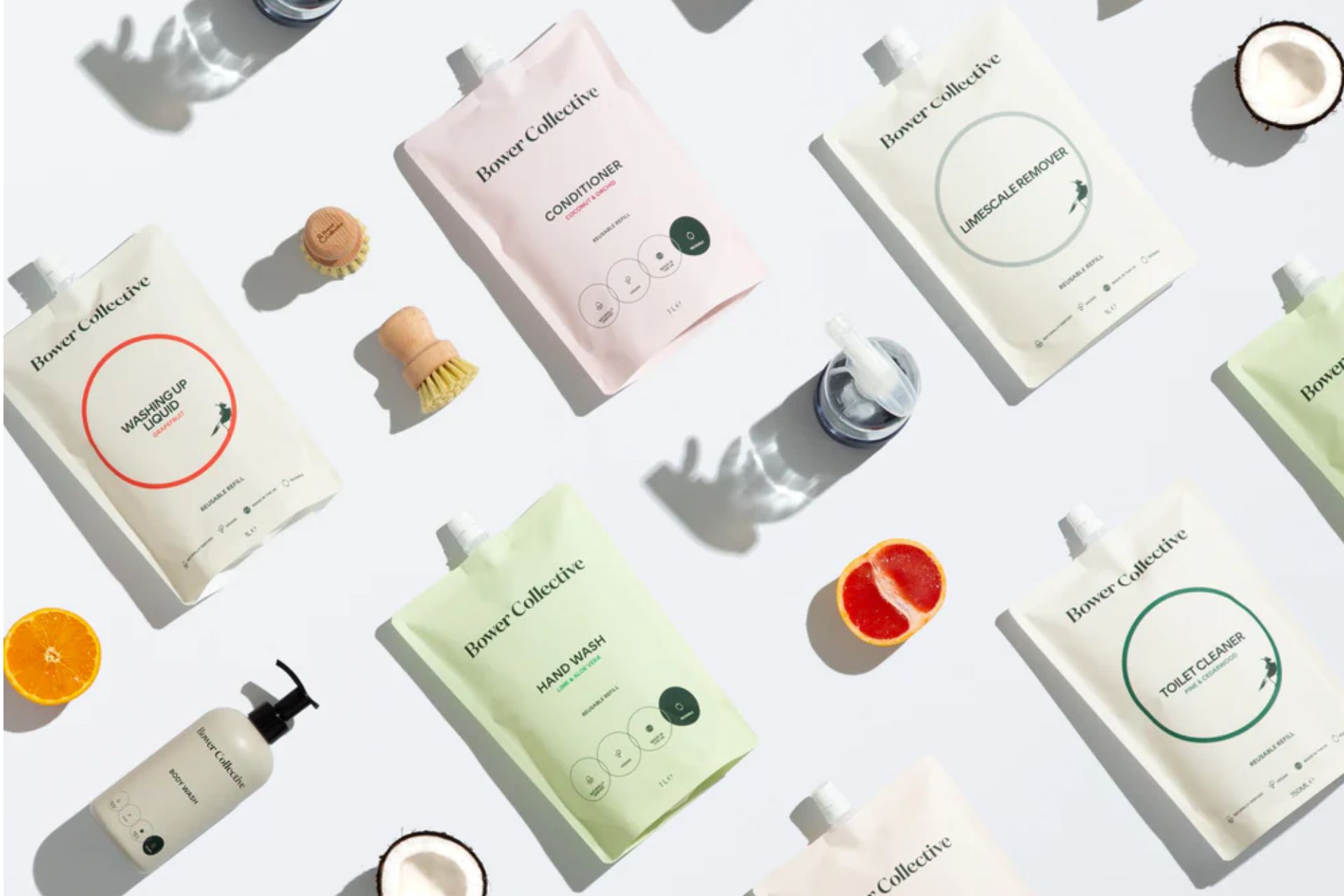
Bower Collective offers sustainable alternatives to single-use bathroom items
Make Some Bathroom Swaps
Recent research by sustainable household product brand Bower Collective found that bathrooms account for over 60 percent of a home’s annual plastic waste. Toilet cleaner, toothpaste, toilet roll, shower products and more typically come in single-use packaging. Bower Collective’s online marketplace offers plenty of eco-friendly alternatives, and you don’t have to go all-in straight away – even just replacing one product makes a difference.
Take Advantage Of Your Local Library
As well as being valuable community hubs, libraries are a great way to boost sustainable living habits. Library books are shared between many people, meaning a much lower carbon footprint than buying new, and most libraries offer free digital access to books, magazines, journals, audiobooks, comics and more.
Create A ‘Use It Up’ Shelf
We’re all guilty of forgetting fruit and veg in the fridge and finding it later when it’s no longer edible. Having a dedicated ‘use it up’ shelf can help cut food waste by pushing you to cook with what you already have before it goes off. Use up wrinkly potatoes, old cheese and Sunday roast vegetables to make delicious dishes you’d never think were made from leftovers. Check out six of our favourite low-waste recipes here for some inspiration.
Support B Corps
On the topic of sustainable brands, look out for B Corp-accredited companies when making purchases. This legal certification is given to brands who display high stands of social and environmental performance, from food and drink to media (like C&TH, accredited in 2022). Check out our favourite British B Corp food brands or B Corp fashion brands for some recommendations.
Explore Eco-Friendly Shopping Sites
Bower Collective is just one place you can find sustainable alternatives to household items. Others include The Green Turtle, Lincolnshire-based Peace With The Wild, and Re:gn, which is great for buying wholesale. Find one that works for you and feel good about doing your bit to limit unnecessary waste.
Repurpose Your Clothes
Do your best to extend your clothes’ lives with sewing or patching, but if they absolutely can’t be fixed, it’s time to repurpose. Cut soft fabrics into cleaning cloths (the more of these you have, the less you’ll need to run the washing machine), denim into dog toys, and small scraps into hair ties. If all else fails, recycle responsibly at a textile bank.
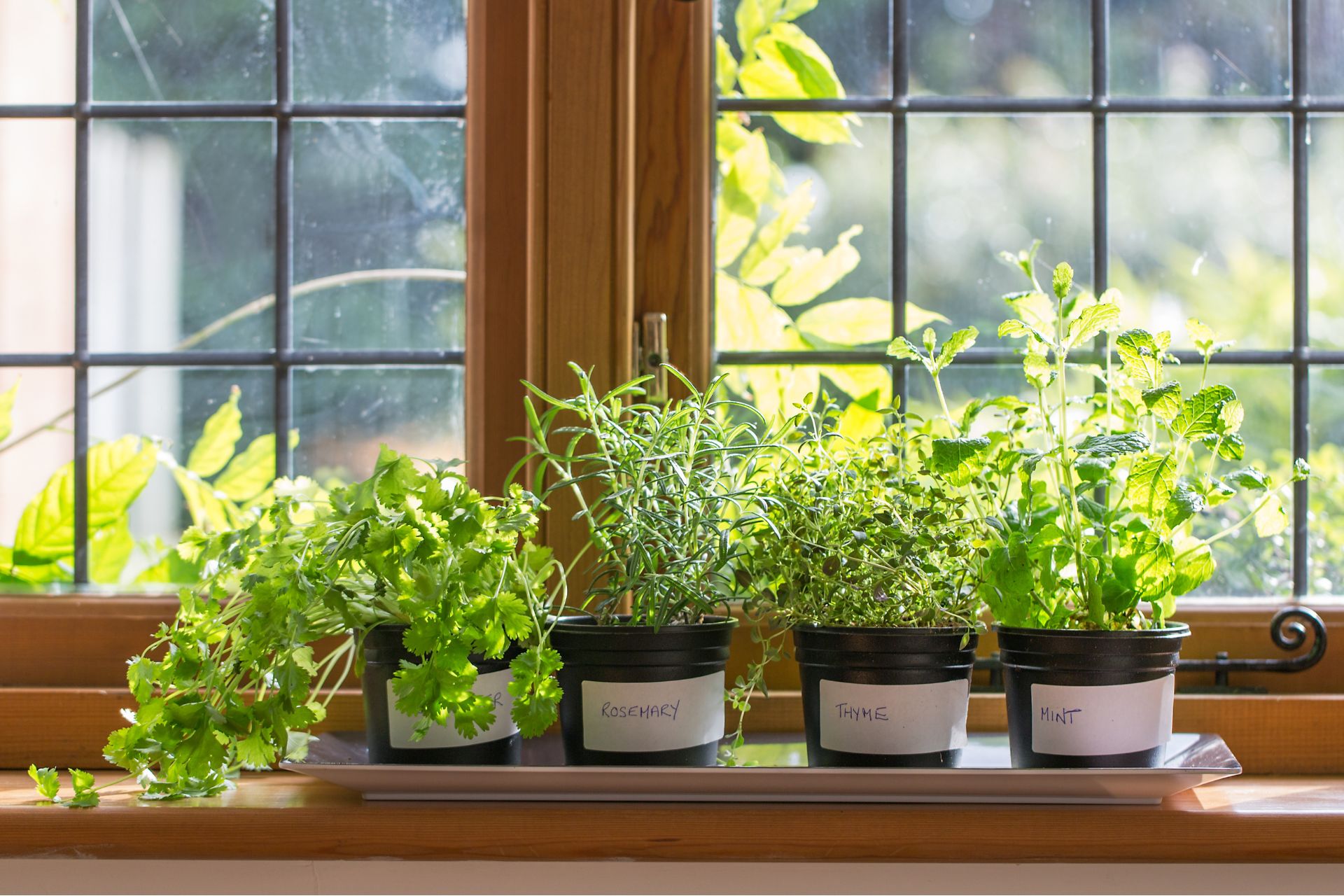
Herbs, spring onions and chillies are just some of the foods that are easy to grow on your kitchen windowsill
Grow Food On Your Windowsill
You don’t need a garden to grow your own produce – in fact, you don’t need more than a windowsill. Take spring onions: simply cut a few centimetres at the base, place in a shallow dish or shotglass of water in a sunny place, and you have a home-grown supply. Herbs like basil and parsley are also super easy, as are chillies, radishes and lettuce.
Invest In Sustainable Food Storage Solutions
Cling film, aluminium foil and baking paper are all single-use and have a negative impact on the environment. Consider switching to long-lasting alternatives like beeswax wraps, compostable cling film and glass storage containers to limit plastic pollution. If you want to stick with foil, make sure to clean it well to get rid of food residue, scrunch into a ball and recycle.
Store Food Correctly
There are a multitude of hacks to prolong the life of your fresh produce and limit waste. Simple tips include not storing potatoes and onions together; keeping asparagus in a jar of water, like flowers; rubbing lemon or lime juice on half-eaten avocados; and keeping aubergines out of the fridge. And while you’re at it, check your fridge temperature: anywhere between 3-5°C will keep your food fresher for longer.