


When Is The First Day Of Spring?
By
6 months ago
And when will we emerge from gloomy winter?
Have you noticed the sun rising a little earlier and setting a little later each and every day? And when the sun peeks between the clouds, it does feel a little warmer. Here in London, we would almost go so far as to say spring is in the air…
No matter where you are in the Northern Hemisphere, one thing is for certain: spring is en route. But here is a controversial question yielding opposing, passionately defended answers: when can we officially say spring is here?
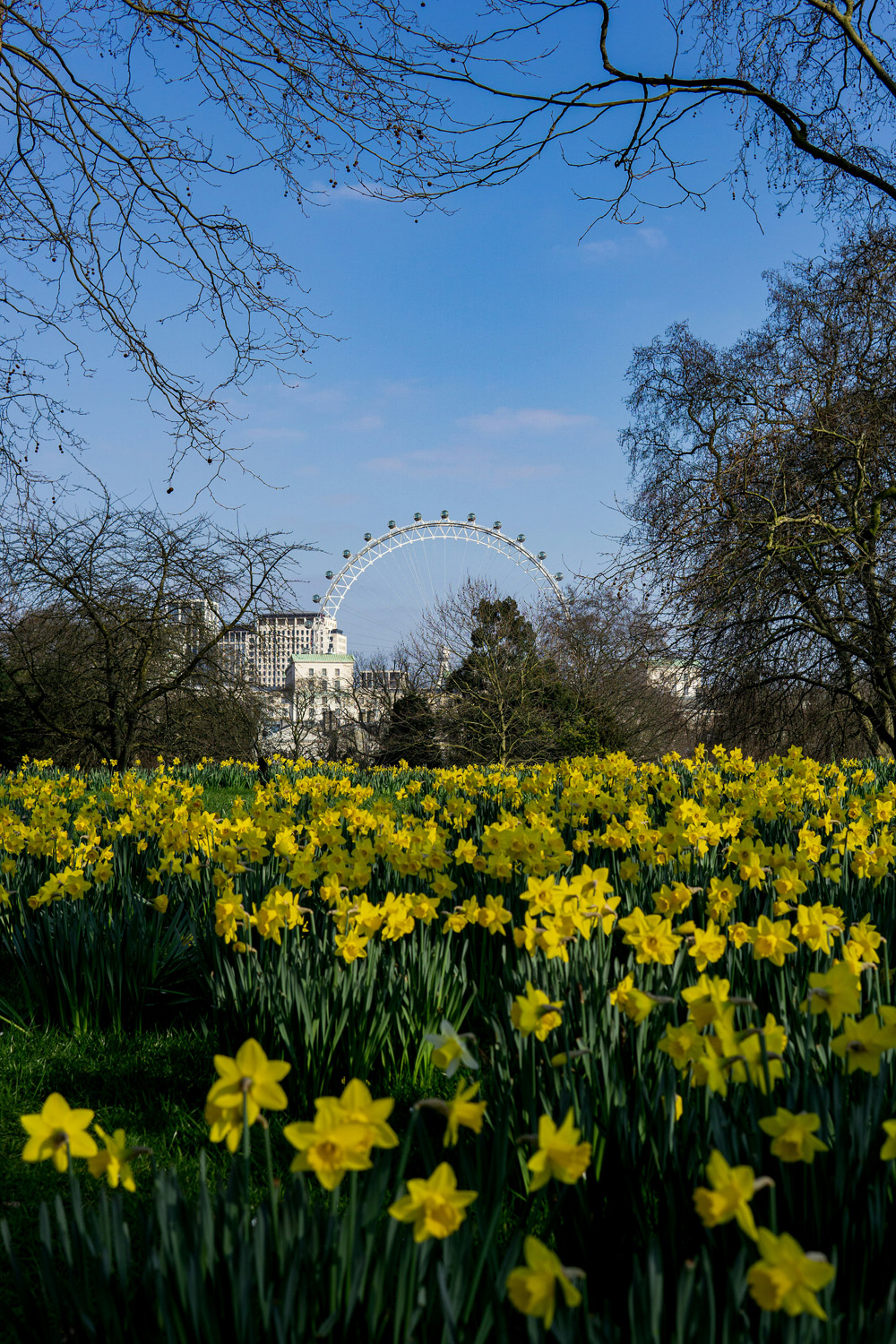
It feels like spring in London.
There are two dates considered the first day of spring: the meteorological first day of spring is 1 March, while the astronomical first day of spring always falls somewhere between 19 and 21 March (in 2026, it’s 20 March). But what’s the difference? (And what’s the truth?)
In meteorology, the year is split into four chunks lasting three months each: spring begins on 1 March and ends on 31 May; summer spans June, July and August; autumn stretches through September, October and November; and winter lasts from December through to February. This makes it easier for climate analysts to compare temperatures and weather patterns month by month, and it is why you will hear weather forecasters talking more about spring around the beginning of March.
Astronomical spring, however, begins on 20 March. This is the more commonly accepted ‘first day of spring’, as it coincides with the spring equinox (also known as the vernal equinox): when day and night are of equal length. Astronomical spring stretches from the vernal equinox (20 March) to the summer solstice (21 June 2026), which is the longest day of the year and the shortest night. Summer then takes over – even though the days are technically getting shorter – lasting until the autumn equinox (23 September 2026) when day and night are of equal length once again.
But that’s not all: there’s also a phenological approach. This considers the behaviour of plants and animals. For example, spring may begin when daffodils begin to bloom or when the first birds make their nests. The only trouble is this is incredibly difficult to predict and determine – so we will have to settle with meteorology and astronomy.
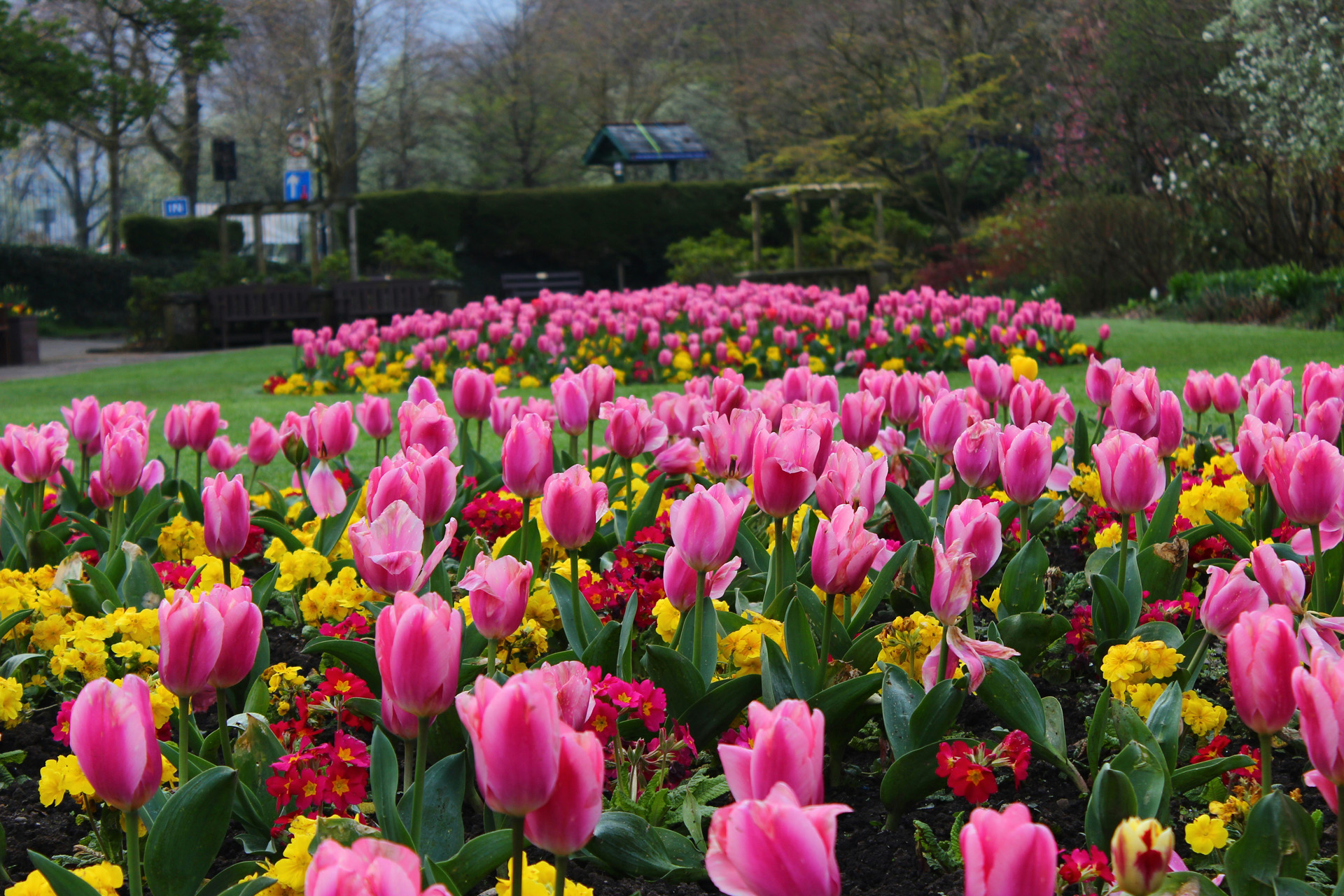
Tulips are a popular spring flower.
First Day Of Spring Traditions
Looking to celebrate the beginning of spring? There are a plethora of traditions marking the season across the world.
In China, children are encouraged to decorate eggs and try to balance them on their ends; it is thought that anyone who manages this mean feat has a year of good luck ahead of them. Meanwhile in India, the vernal equinox marks the beginning of Holi, an ancient festival all about colour, singing, dancing, togetherness and sweets.
In northern Europe, bonfires are common: celebratory now, but traditionally built in preparation for moving cattle and sheep into summer pastures. Meanwhile more modern celebrations include buying daffodils and visiting flower festivals (especially tulip festivals) as well as seasonal eating; think lamb, asparagus, rhubarb, watercress and, eventually, strawberries.
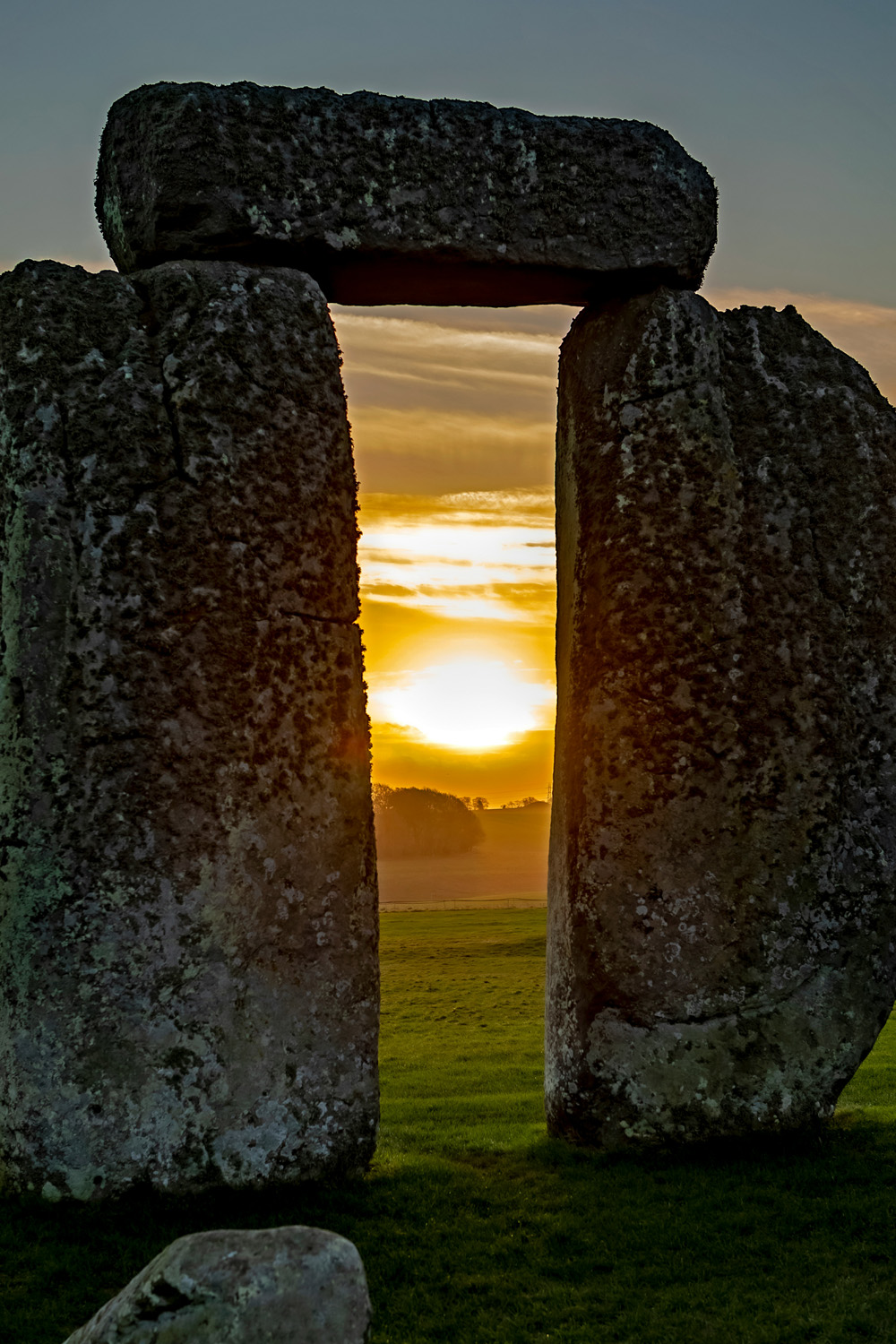
Plenty of countries are conscious of the equinox element of the first day of spring, and the lighter evenings it promises for the six months ahead. In Mexico, thousands of people gather at the Teotihuacán Pyramid to celebrate, and here in the UK, hundreds of people do the same thing at Stonehenge, the ancient rock formation built to align with the sun on the solstices. For pagans (and neo-pagans), the equinox is a time of renewal and rebirth, and visitors can expect chanting, drumming and often nuptials.
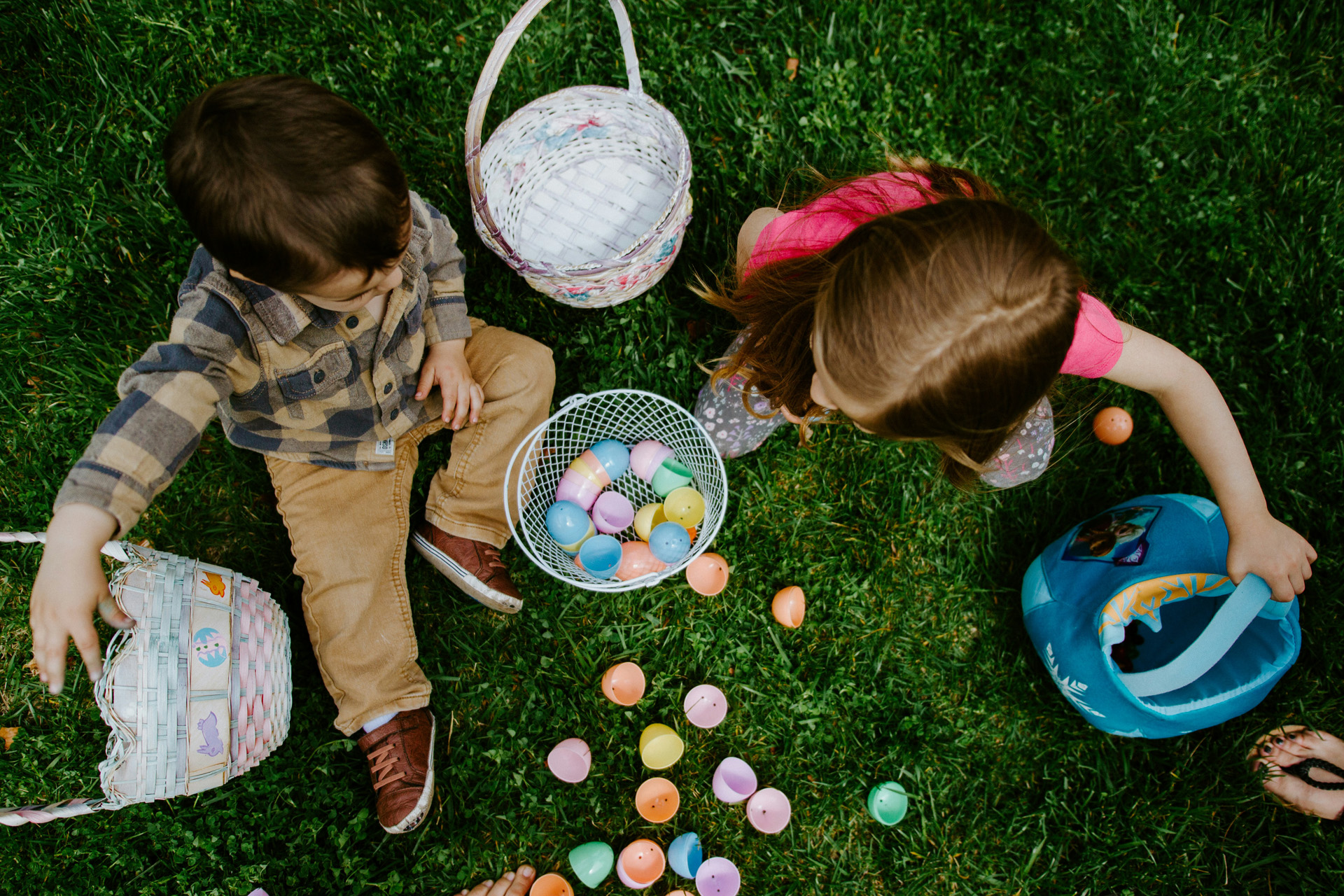
Why Is Easter In Spring?
The Christian festival of Easter commemorates the resurrection of Jesus from the dead. It begins with Lent, a 40-day period of fasting, prayer and penance (this is celebrated secularly as Shrove Tuesday, Pancake Day, Mardi Gras and more). The final week of Lent is Holy Week, beginning with Palm Sunday when Jesus returned to Jerusalem. There’s also Maundy Thursday commemorating the Last Supper and Good Friday when Jesus was crucified, before Easter Sunday commemorates his resurrection.
In the UK, Easter is also inextricably bound up with spring: chocolate eggs, decorated bonnets, bunny rabbits, roast dinners, frolicking lambs. While there is not one specific date historians have settled on as the day Jesus was crucified, we know he was executed on a Friday in April in Jerusalem under Roman governor Pontius Pilate. Easter is also astrologically connected to spring: Easter Sunday is always the first Sunday after the first full moon after the vernal (spring) equinox.
This year, the vernal equinox is Friday 20 March, followed by the Pink Full Moon in the wee hours of Thursday 2 April, meaning Easter Sunday is 5 April.
Looking to make the most of the hint of warmth in the air? Head to one of London’s best parks for spotting cherry blossom.